


Shipping

Smart Detection for Safer Air
The marine gas detection market is essential for maintaining the safety and operational integrity of ships by providing real-time monitoring and detection of hazardous gases. Marine vessels frequently transport fuels, chemicals, and liquefied gases, which, if accidentally released, can create dangerous conditions for both the crew and the environment. Gas detection systems are critical for ensuring air quality, alerting crew members to potential risks, and preventing accidents. These systems also help meet safety and environmental regulations established by the International Maritime Organization (IMO), thus safeguarding human life and marine ecosystems.
The marine gas detection market is experiencing growth driven by heightened safety awareness, increasingly strict government regulations, and the demand for energy-efficient and reliable detection solutions. These systems are deployed across various sectors of the marine industry, including oil and gas exploration, commercial shipping, offshore drilling operations, and recreational boating. The types of gases detected vary by industry and region, with common targets including carbon monoxide, methane, hydrogen sulfide, and volatile organic compounds (VOCs). Effective gas detection mitigates the risks associated with gas leaks, spills, or oxygen-deficient environments, reducing the potential for fires, explosions, or compromised vessel integrity, and ultimately safeguarding both human life and vessel safety.
Monitored Gases

Hydrogen Sulfide (H2S)

Methane (CH4)
Produced by decomposing organics.

Carbon Monoxide (CO)

Ammonia (NH3)

VOCs
Gas Detection Systems

DGC6
Multi-Point Digital Gas Detection and
Control System

DT6
Digital Gas Transmitter

SCM6

DC6
Inputs & Control

DR6

SGC6
Standalone Gas Controller

MGC6

PX2
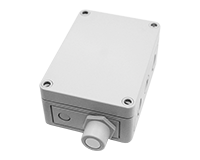
AT6
Analog Gas Transmitter

SC2
Let’s Simplify Your Next Project Together

Highest Compliance
Hands-On Support
Turnkey Systems
Reduced Complexity